Introduction
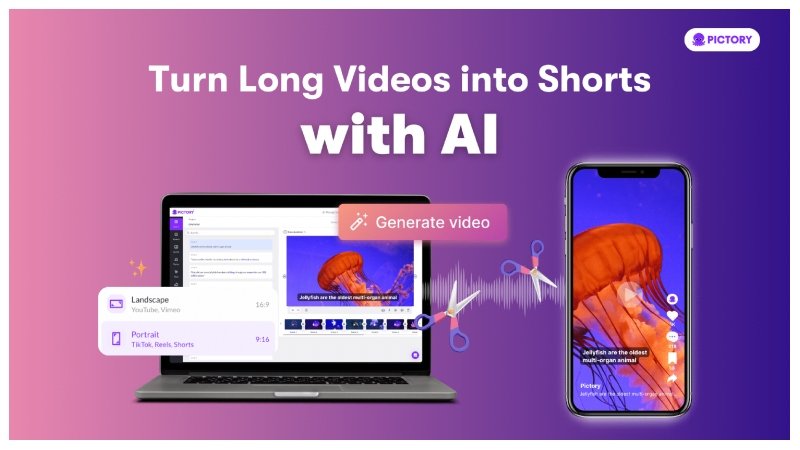
Long-form videos often contain valuable content, but most audiences prefer short, engaging clips that deliver quick value. Content creators solve this by breaking longer videos into bite-sized segments that capture attention and drive engagement. This process combines storytelling, timing, and the right editing tools. In this guide, you will learn how creators transform long recordings into high-performing short clips using practical techniques and tools like a video splitter.
Why Short Clips Perform Better Than Long Videos
Short-form content dominates platforms like TikTok, Instagram Reels, and YouTube Shorts. The reason is simple. People consume content quickly and prefer instant value.
Short clips improve retention because they focus on a single idea. Instead of asking viewers to watch a 30-minute video, creators deliver one impactful moment in under 60 seconds. This increases the chance of shares, saves, and replays.
Another key factor is algorithm preference. Platforms promote content that keeps users engaged. Short videos often have higher completion rates, which signals quality to the algorithm.
Creators also reuse content efficiently. One long video can produce multiple short clips, multiplying reach without extra recording effort.
Takeaway: Short clips boost engagement, improve retention, and help creators scale content faster using the same source material.
What Is a Video Splitter and Why It Matters
Definition
A video splitter is a tool that divides a long video into smaller segments without reducing quality. It allows creators to isolate key moments and turn them into standalone clips.
Creators rely on video splitters to quickly extract highlights such as:
- Key insights from a podcast
- Viral moments from livestreams
- Important steps from tutorials
- Emotional or entertaining reactions
Instead of manually trimming footage frame by frame, a video splitter speeds up the process and improves accuracy.
Modern tools also include smart detection features. Some can identify pauses, scene changes, or speech patterns to suggest clip points.
According to research from HubSpot, short-form videos deliver the highest ROI among content formats, making tools like video splitters essential for modern creators.
Takeaway: A video splitter helps creators quickly extract high-impact moments from long videos, making content production faster and more efficient.
Step-by-Step Process Creators Use to Turn Long Videos into Clips
1. Identify High-Value Moments
Creators do not randomly cut videos. They look for moments that provide value or trigger emotion.
These include:
- Strong hooks or opening statements
- Surprising insights
- Clear tips or actionable advice
- Emotional or relatable reactions
Many creators watch their footage at 1.5x or 2x speed to quickly find these moments.
2. Trim with Precision
Once a key moment is identified, creators trim the clip tightly. They remove unnecessary pauses, filler words, and distractions.
A good short clip starts strong within the first 2 seconds. If it does not grab attention immediately, viewers scroll away.
3. Add Context and Clarity
Sometimes a clip needs slight adjustments to make sense independently.
Creators add:
- Captions for clarity
- Text overlays to highlight key points
- Quick intros for context
4. Optimize for Platform Format
Different platforms require different formats:
- Vertical for TikTok and Reels
- Square or vertical for Instagram
- Horizontal or vertical for YouTube
Aspect ratio and length matter. For example, TikTok clips perform best under 60 seconds.
5. Enhance Engagement
To make clips more engaging, creators often include:
- Subtitles for silent viewing
- Background music
- Zoom cuts or jump cuts
- Visual cues like arrows or highlights
6. Export and Repurpose
After editing, creators export clips in high quality and reuse them across platforms.
A single long video can generate 5 to 20 short clips, depending on content density.
For more insights on optimizing digital content workflows, you can explore resources on content optimization strategies.
Takeaway: The process involves identifying valuable moments, trimming precisely, enhancing clarity, and adapting clips for different platforms.
Tools Content Creators Use for Video Splitting
Creators choose tools based on ease of use, features, and speed. Here are common categories:
1. Basic Video Splitters
These tools focus on cutting and trimming.
- Simple interface
- Fast processing
- Ideal for beginners
2. Advanced Editing Software
These tools combine splitting with full editing capabilities.
- Timeline editing
- Effects and transitions
- Audio control
Examples include Adobe Premiere Pro and Final Cut Pro.
3. AI-Powered Tools
AI tools automate the process by detecting highlights.
- Auto clip generation
- Speech recognition
- Scene detection
According to a report by Wyzowl, 91 percent of businesses use video as a marketing tool, increasing demand for faster editing solutions.
Takeaway: From basic tools to AI-powered solutions, creators use video splitters to save time and improve editing efficiency.
Best Practices for Creating Engaging Short Clips
Focus on One Idea
Each clip should deliver a single message. Avoid cramming multiple ideas into one short video.
Start with a Hook
The first few seconds decide whether viewers stay or leave.
Effective hooks include:
- A bold statement
- A question
- A surprising fact
Use Captions
Many users watch videos without sound. Captions improve accessibility and retention.
Keep It Fast-Paced
Remove silence and unnecessary transitions. Keep the clip dynamic and engaging.
Maintain Visual Interest
Use zooms, cuts, or text highlights to maintain attention.
Test and Iterate
Creators analyze performance metrics like watch time and engagement to refine future clips.
Takeaway: Strong hooks, clear messaging, and fast pacing are essential for creating high-performing short clips.
Common Mistakes to Avoid
Even experienced creators make mistakes when editing clips.
Overediting
Too many effects can distract from the message.
Poor Timing
Cutting too early or too late can weaken impact.
Ignoring Context
Clips should make sense on their own without requiring the full video.
Low Audio Quality
Bad audio reduces viewer retention significantly.
Wrong Format
Uploading horizontal videos on vertical platforms reduces engagement.
Takeaway: Avoid overediting, ensure clarity, and always optimize clips for platform requirements.
How AI Is Changing Video Editing
AI is transforming how creators edit long videos into short clips.
Modern tools can:
- Automatically detect highlights
- Generate captions instantly
- Suggest clip titles and hooks
- Resize videos for different platforms
AI reduces editing time significantly. What once took hours can now take minutes.
However, human judgment is still essential. AI can identify patterns, but it cannot fully understand storytelling nuances.
Takeaway: AI speeds up video editing, but creators still need to guide storytelling and final decisions.
FAQs
How long should a short video clip be?
Most short clips perform best between 15 and 60 seconds, depending on the platform and content type.
Key Point: Keep clips under 60 seconds for maximum engagement.
What makes a clip go viral?
A strong hook, emotional impact, and clear value increase the chances of a clip going viral.
Key Point: Viral clips combine attention-grabbing openings with meaningful content.
Can beginners use video splitters easily?
Yes, most video splitter tools are beginner-friendly and require minimal technical skills.
Key Point: Video splitters are designed for quick and simple editing.
Do captions really improve engagement?
Yes, captions increase watch time and accessibility, especially for silent viewers.
Key Point: Captions significantly boost retention and viewer understanding.
How many clips can you get from one long video?
Depending on the content, one long video can produce 5 to 20 short clips.
Key Point: Repurposing content multiplies reach without extra effort.
Conclusion
Editing long videos into short, engaging clips is both an art and a strategy. Creators use tools like video splitters, storytelling techniques, and platform optimization to maximize impact. By focusing on valuable moments, trimming precisely, and enhancing engagement, anyone can transform long content into high-performing clips.
The key is consistency and experimentation. The more you analyze what works, the better your clips will perform over time. Click here for more information.
Final Takeaway: Turning long videos into short clips increases reach, improves engagement, and helps creators scale content efficiently across platforms.